

What Is a Transportation Management System (TMS)?
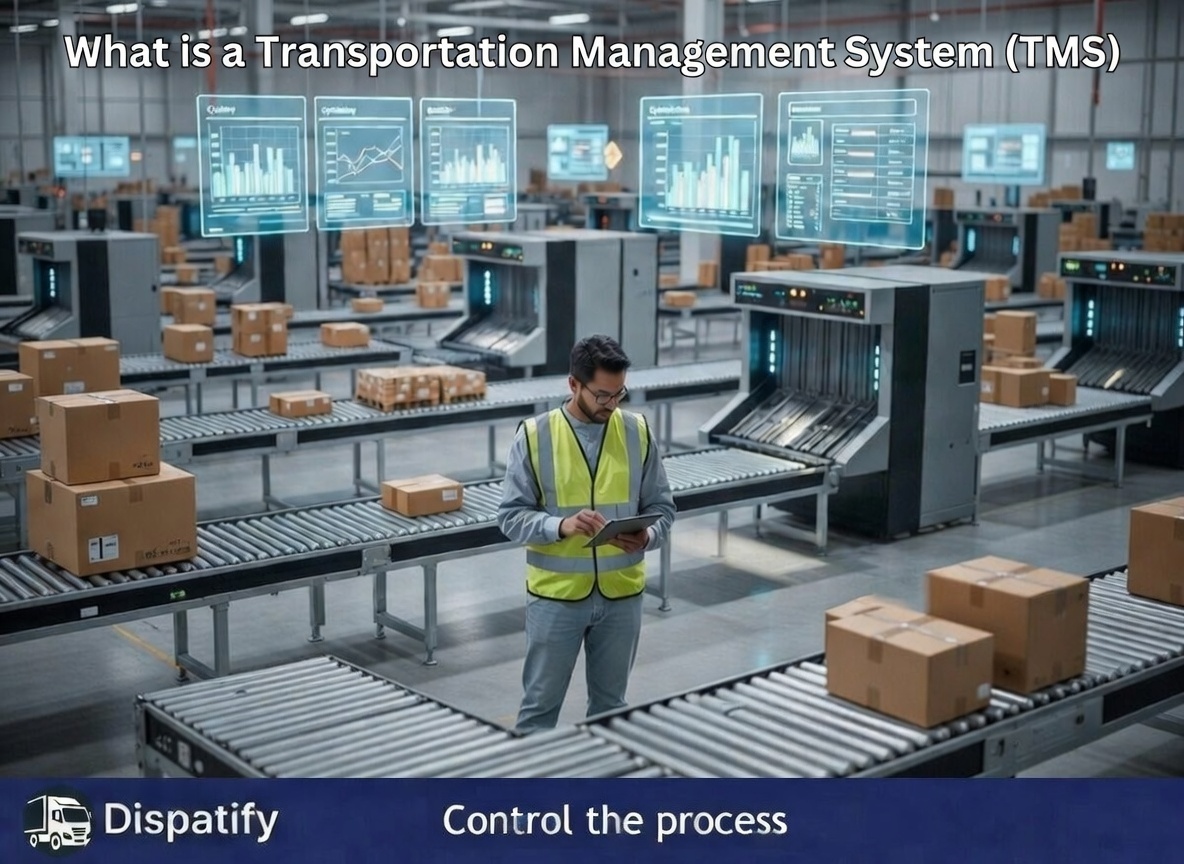
A Transportation Management System (TMS) is software designed to plan, execute, and optimize the movement of any load. At its core, a TMS acts as the operating system for transportation.
It centralizes the entire dispatch workflow, replacing fragmented tools such as spreadsheets, emails, and internal phone calls with a centralized platform that manages everything from load registration to final delivery and payment acknowledgement.
As logistics operations become faster, more complex, and more data-driven, TMS platforms are shifting from a "nice to have" to essential infrastructure.
What Does a TMS Automate?
For many logistics operations, transportation is no longer just about moving goods from one point to another. It involves:
- managing 50+ parameters
- multiple carriers
- managing staff performance
- tracking business performance
- and much more...
A TMS exists to manage this complexity and typically covers the full transportation lifecycle, including:
1. Planning
- Creating and organizing load records
- Selecting optimal routes and waypoints - road, air, rail, or sea
- Finding the best carriers for the shipment
2. Execution
- Agreeing on the transportation of the shipment
- Managing pickup and delivery schedules
- Handling exceptions and disruptions
3. Analytics and Reporting
- Cost and margin analysis
- Reminder systems for deadlines
- Business KPIs and trend analysis
- Different carriers' performance tracking
Which of those numbers actually move profit is a longer conversation - we broke it down in Why Your Brokerage Isn't as Profitable as It Should Be.
4. Carrier and Customer Management
- Keeping a carrier database with ratings, notes, and history
- Collecting quote and booking requests in one queue
- Letting customers check the status of their own shipments
- Keeping communication attached to the shipment it belongs to
5. Warehousing
- Storing freight across warehouses, zones, and bays
- Scanning items in and out instead of writing them down
- Keeping every stored item tied to the shipment it came from
- Managing the handoff between storage and transport
This last part is where a Warehouse Management System (WMS) overlaps with a TMS. A TMS moves the freight and a WMS holds it, but the two only work properly when they share the same record - which is why they increasingly arrive as one platform rather than two.
Cost Reduction With a TMS
One of the primary reasons companies adopt a TMS is cost control.
How a TMS reduces management costs
A TMS helps reduce management costs through:
- Automated processes
- Role-based separation of responsibilities
- Live business analysis
- Simplified workflows
In many operations, TMS platforms have been shown to reduce transportation costs by double-digit percentages.
When Does a Business Need a TMS?
There is no universal threshold, but common signals include:
- Increasing load volume
- Working with multiple carriers or agents
- Higher cancellation rates
- Rising administrative overhead
- Inconsistent performance metrics
- An increase in negative reviews
When logistics operations start depending on "being careful" or "checking more than twice," a TMS becomes less of an upgrade and more of a necessity.
Fully Custom TMS vs Subscription-Based TMS
Subscription-based TMS
Building a custom TMS is a valid option, but it typically costs from $40,000 and up to $500,000+ and requires significant time to develop and maintain. Subscription-based TMS platforms offer a faster and far more affordable alternative without starting from zero or worrying about maintenance at all.
When custom might be right
That said, for companies with sufficient scale, budget, or highly specific requirements, a fully custom TMS can still be the better long-term choice.
Summary
A Transportation Management System is not just software. It is infrastructure. It replaces manual coordination with automation, fragmented data with visibility, and guesswork with measurable performance. As logistics operations grow more complex and expectations continue to rise, TMS platforms are becoming foundational tools for companies that want to operate efficiently, scale responsibly, and stay competitive.